



Reference: BL-30502888C
 PACKAGING AND SHIPPING COSTS
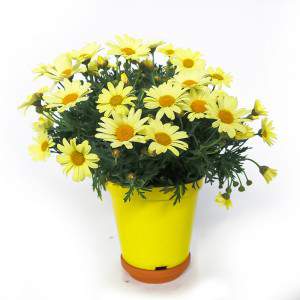
Margherita, available in pots with a diameter of 10, 12 and 14 cm, in white, yellow and pink.
🌿 Always fresh and selected plants: we choose our plants directly from different nurseries, selecting the most beautiful and fresh specimens available from time to time. For this reason, availability may vary: some plants may temporarily be unavailable, precisely because we prefer to ...
The Daisy (Leucanthemum) is a perennial herbaceous plant belonging to the Asteraceae family. Loved for its simple and genuine beauty, it is able to give a rustic and sunny touch to any green space. Its classic inflorescences are formed by a ray of white petals that surrounds a yellow and fleshy central flower head. In addition to decorating flower beds and vases, the daisy is very useful for biodiversity: its flowers attract bees, butterflies and other pollinating insects.
☀️ Exposure and Temperature
It is a plant that loves direct light and prefers sunny environments and temperate climates. The ideal vegetation temperature is around 15 °C. Since its flowers are very delicate, the daisy fears prolonged frost (below 10 °C) and heavy heavy rains; the more rustic shrub varieties can tolerate short periods of up to 5 °C.
🌱 Soil and Drainage
The daisy does not have any particular soil needs, as long as it is light, rich in organic matter and very well drained. A potting soil for flowering plants with the addition of sand or expanded clay at the bottom of the pot will help avoid harmful waterlogging.
💧 Watering
It requires abundant watering during the active growth phase and in the warmer months. Keep the substrate constantly moist, but be careful not to create waterlogging that could damage the roots. During watering, avoid soaking the flowers directly so as not to spoil them.
🧪 Fertilization
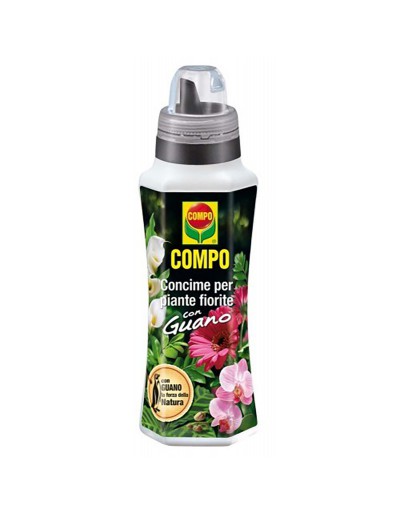
Fertilize the plant throughout its vegetative period by adding a liquid fertilizer for flowering plants to the irrigation water every 10-14 days. Outdoors, flowering lasts from spring until the end of summer, while if sheltered in bright environments with constant temperatures above 14 °C, it can prolong flowering even in the coldest months.
✂️ Care and Maintenance
Cultivation is very simple. Regularly remove faded flower heads and dry leaves to stimulate the continuous emission of new buds and keep the plant tidy and vigorous.
💡 Trivia
Its scientific name, Leucanthemum, derives from the Greek words leukos ("white") and anthemon ("flower"), with a clear reference to the typical color of its petals.

Margherita, available in pots with a diameter of 10, 12 and 14 cm, in white, yellow and pink.
🌿 Always fresh and selected plants: we choose our plants directly from different nurseries, selecting the most beautiful and fresh specimens available from time to time. For this reason, availability may vary: some plants may temporarily be unavailable, precisely because we prefer to offer you only selected and quality products.
VasoSicuro is the innovative anti-fall system for vases. Maximum safety for your vases with a unique and personal style. Its very simple assembly and removal ...
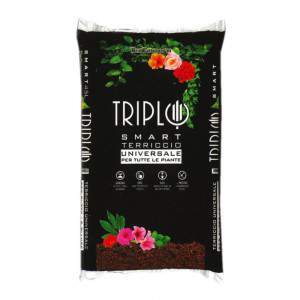
Universal soil for all plants, 20 l bag TerComposti
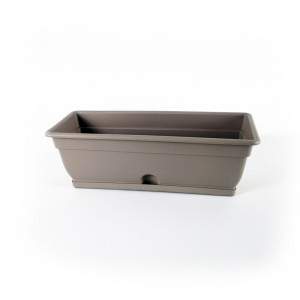
Plastic planter balcony 62x20x18h anthracite color cm with saucer included
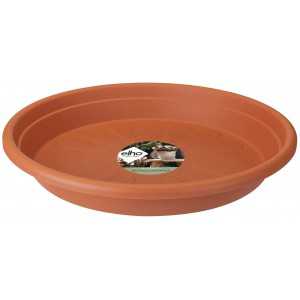
Elho round saucers from 13cm to 48cm, to adapt to any available round pot size
Available in terracotta, anthracite and dove gray colors
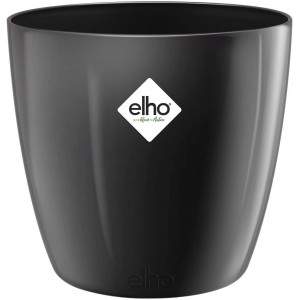
Round decorative indoor vase to enhance plants and flowers, available in various sizes and colors: manufacturer: elho.
Shiny and brilliant finish: Brussels Diamond Round
On line